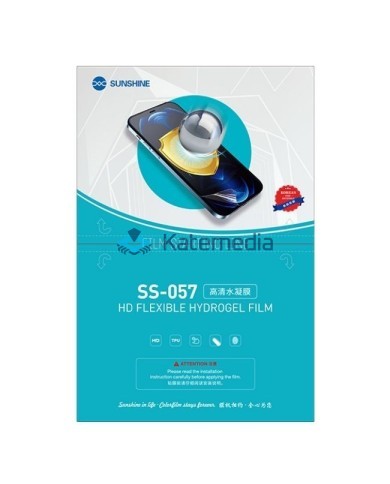
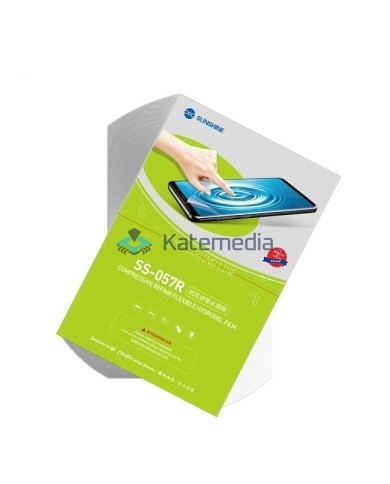
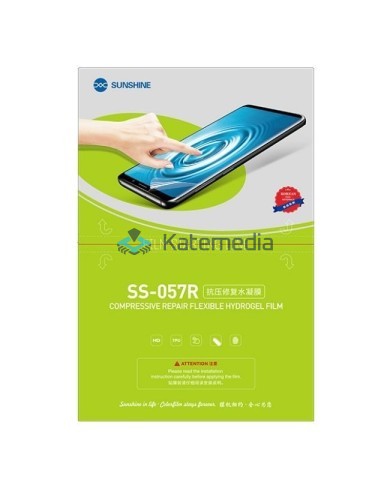
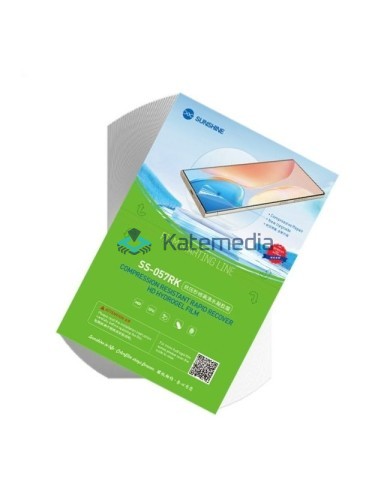
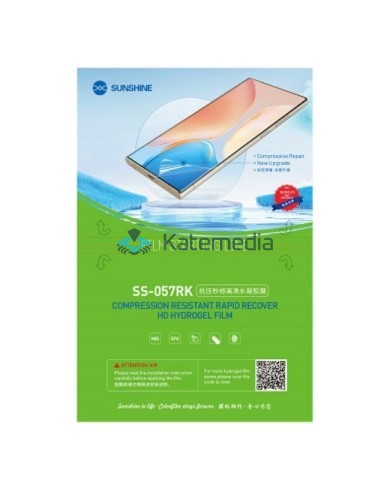
Hydrogel film Relife GF-4 HD Autorepair 50 szt

Hydrogel film Relife GF-4 HD Autorepair 50 szt

RELIFE GF-4 HD AutoRepair is an advanced hydrogel screen protector that combines (HD) clarity, self-healing "AutoRepair" technology, and pressure resistance. It shields your screen from everyday scratches and abrasions while preserving natural image sharpness, vivid color intensity, and a smooth, responsive touch experience.

The AutoRepair technology allows minor, superficial scratches to become less visible—often within just a few seconds. Thanks to its pressure-resistant properties, the flexible EPU material effectively withstands localized pressure, deforming under stress before gradually returning to its original shape. The combination of these two technologies minimizes the formation of permanent marks, helping the film maintain a smooth, aesthetically pleasing surface for longer.

zł169.99
Tax included

Volume discounts

Quantity Unit discount You Save
2 zł5.00 zł10.00
5 zł7.00 zł35.00
10 zł10.00 zł100.00
Product availability Product available
Delivery options Learn more
Description
Product Details

RELIFE GF-4 Specifications

Manufacturer RELIFE
Model GF-4
Film Variant HD AutoRepair
Material EPU
Thickness ~ 0.18 mm
Dimensions 120 × 180 mm
Package Quantity 50 pcs.
Codes No

How Does Hydrogel Film Work?

Hydrogel film creates a thin, flexible protective layer on the surface of the device, which protects the screen against scratches, scuffs, and marks caused by everyday use. Thanks to its flexible structure, it adapts well to the shape of the device.

The material flexes with the screen surface instead of forming a rigid layer. Its flexible structure helps absorb impact energy and distribute it over a larger area, reducing the force acting directly on the screen. As a result, the film provides an additional layer of protection against minor impacts and pressure, while maintaining comfortable everyday touchscreen operation.

RELIFE GF-4

Transparent Pressure-Resistant Hydrogel Film with AutoRepair Technology

RELIFE GF-4 HD AutoRepair is a hydrogel film that combines high HD clarity with self-healing surface technology. Its transparent finish helps preserve the screen's natural appearance and the vividness of displayed colours. The integrated AutoRepair technology allows minor surface marks and shallow indentations to become less visible automatically, sometimes within just a few seconds.

The flexible structure of the EPU material allows the film to conform closely to the protected surface, creating an additional layer of protection against scratches and everyday scuffs. Enhanced pressure resistance allows the material to flex under localized pressure and then gradually return to its original shape. As a result, minor marks caused by pressure may disappear on their own, helping the film maintain its attractive appearance for longer. The thin design also ensures comfortable and smooth touchscreen operation.

Key Features

What Makes RELIFE GF-4 HD AutoRepair Stand Out?

High HD Clarity

The transparent HD finish helps preserve the screen's natural appearance, sharp details, and vibrant displayed colours. The film forms a discreet protective layer without altering the appearance of the image during everyday use of the device.

AutoRepair Technology

The special material structure allows minor scratches to become less visible automatically. According to the manufacturer, small marks appearing on the film's surface may self-heal in just a few seconds, helping maintain its attractive appearance.

Flexible EPU Material

The flexible EPU structure allows the film to adhere closely to the protected surface and conform to the shape of the device. The material forms a thin, flexible protective layer against everyday scratches and scuffs, without creating a rigid, brittle surface.

Pressure Resistance

Pressure-Resistant technology allows the material to better withstand localized pressure and the resulting deformations. The flexible surface can bend under pressure and then gradually return to its original shape. Thanks to its AutoRepair properties, minor pressure marks may disappear on their own.

Film Properties

AutoRepair & Pressure-Resistant — Clarity, Self-Healing and Pressure Resistance

HD technology provides high film transparency, helping to preserve natural colour reproduction, fine details and the sharpness of the displayed image. The transparent surface allows the screen to retain its original appearance. The film creates an almost invisible protective layer without noticeably affecting the comfort of everyday device use.

AutoRepair and Pressure-Resistant are properties that help the film's surface withstand minor damage and localized pressure. The flexible EPU material can deform under pressure and gradually return to its original shape once the pressure is removed. AutoRepair technology enables the surface to self-heal minor marks, superficial scratches and indentations, which, according to the manufacturer, may disappear in just a few seconds. Meanwhile, the Pressure-Resistant property allows the film to better withstand localized pressure, helping to reduce the formation of permanent marks on its surface. Both properties work together to help the film maintain its attractive appearance for longer during everyday use.

Next-Generation Protection

A Film That Adapts to the Screen

Hydrogel film forms a thin, flexible protective layer applied directly to the surface of the device. Unlike rigid glass, it does not need to be manufactured in advance for one specific model. The appropriate shape can be cut from a universal sheet whenever a particular device needs protection.

↗

Flexible Fit

The material can adapt more easily to curves, edges and surfaces where applying a traditional rigid glass protector is difficult.

◌

No Cracking Glass Layer

Hydrogel remains flexible. It does not form a brittle, rigid layer that can crack or shatter in the way tempered glass typically does.

↔

More Applications

Depending on the material dimensions and the cutting plotter's capabilities, films can be prepared for smartphones, smartwatches, tablets and many other screens.

▦

Less Inventory Required

Instead of stocking separate glass protectors for every model, you can use universal sheets and cut the required shape on demand.

Key Benefits

What Are the Benefits of Hydrogel Film in Everyday Use?

Hydrogel film does more than just protect the screen's surface. Its properties also contribute to user comfort, the appearance of the device and the ability to adapt protection to different types of screens.

01

Protection Against Everyday Scratches

The film creates an additional protective layer that helps shield the screen from minor scratches, scuffs and marks caused by normal everyday use of the device.

02

Natural Touchscreen Experience

The thin design ensures comfortable touchscreen operation. The film does not create a thick layer and, when properly applied, remains a discreet part of the device.

03

Excellent Surface Coverage

The flexible material can adhere closely even to screens with curved edges and more complex shapes, providing a neat and aesthetically pleasing finish.

04

Different Finish Options

Depending on individual needs, you can choose Clear, Matte, Privacy and other film variants, offering different surface finishes and additional functional properties.

05

Protection for Various Types of Screens

The appropriate film dimensions and a compatible cutting plotter make it possible to prepare screen protection not only for smartphones, but also for smartwatches, tablets and other devices equipped with a display.

06

Cut the Film Whenever You Need It

The required shape can be cut from a universal sheet when the service is performed. This allows you to support many device models without having to stock a ready-made screen protector for each one.

Installation Guide

How to Apply a Standard Hydrogel Film Correctly

Careful application helps achieve a smooth, neat finish and ensures the film fits the protected surface accurately.

1

Thoroughly Prepare the Screen

Clean the surface to remove dust, fingerprints, grease and any other dirt. The screen should be clean and dry so that the film can adhere properly across its entire surface.

2

Align the Film in the Centre

Place the film on the screen and align it carefully, using the central split in the backing layer as a reference point. Check its position against the edges, cutouts and other elements of the device. Once correctly aligned, you can begin the application.

3

Apply from the Centre Towards the Edges

Once the film is correctly positioned, begin applying it from the centre. Using a squeegee, press the film down with smooth, even strokes from the centre towards the outer edges, first on one side and then on the other.

4

Remove the Protective Transport Layer and Finish Installation

After completing the application, carefully remove the outer protective transport layer. Finally, smooth the surface and firmly press the film along the edges and around any cutouts.

Tip: apply the film slowly and evenly. Correctly positioning the film before beginning installation makes it much easier to achieve a smooth and neat final result.

Film Materials and Characteristics

What Are Protective Films Made Of?

The base material and technology used affect the film's flexibility, fit, durability, hardness and surface characteristics. Different solutions may vary in their properties and intended applications.

EPU

EPU — High Flexibility and Excellent Fit

EPU is one of the most advanced materials used in hydrogel films. It offers the highest level of flexibility and excellent adhesion.

TPU

TPU — Flexible and Durable Material

TPU offers excellent flexibility and resistance to everyday wear. It conforms better than more rigid materials and provides a very good balance between high quality and price.

TPH

TPH — Greater Stability and Resistance

TPH is an intermediate solution between soft hydrogel films and more rigid materials. It offers good stability and surface resistance.

PET

PET — Clarity and Durability

PET focuses primarily on good transparency and mechanical strength. It provides protection with minimal impact on image quality and excellent surface smoothness, although it is less flexible than typical hydrogel materials.

PVC

PVC — Economical and Easy to Apply

PVC is one of the simpler and more budget-friendly materials. It is generally slightly thicker and easier to apply, but offers lower light transmission and less flexibility than higher-grade materials.

UV

UV — Cured Using Ultraviolet Light

UV technology is characterised by high surface hardness, providing good resistance to scratches and everyday wear. UV light curing technology helps achieve a precise fit to the screen.

Why Choose Hydrogel Film?

Hydrogel film is a flexible and practical alternative to traditional tempered glass. It conforms well to the shape of the device, including curved and irregular surfaces, and does not crack like glass during use. Its flexible structure also helps absorb impacts and distribute their force.

The ability to cut the film precisely for a specific model means that protection can also be prepared for devices for which finding a suitable glass screen protector is difficult. This solution combines protection, ease of use and greater flexibility in fitting.

✓ Does Not Crack Like Glass ✓ Perfect Fit ✓ Impact Absorption ✓ Custom Cutting for Each Model
Product Details
SRFOILGF40
8 Items
Reviews(0)

No customer reviews for the moment.

You need to be logged in or create an account to give your appreciation of a review.

Sign in

Megamenu

Compare0My Wishlist0

Your cart

There are no more items in your cart

Cookies

Cookie information

This site uses first party cookies to give you the best experience on our site. We also use third party cookies to improve our services, analyze and then display advertisements related to your preferences based on the analysis of your browsing behavior.

Cookie management

About Cookies

Cookies are small text files that are saved on your computer or mobile device by the websites you visit. They are used for a variety of purposes, such as remembering user login information, tracking user behavior for advertising purposes, and personalizing the user's browsing experience. There are two types of cookies: session and persistent. The former are deleted after the end of the browser session, while the latter remain on the device for a certain period of time or until they are manually deleted.